Showing posts with label healthy cook. Show all posts

Sunday, 9 December 2012

Metal lids VERSUS Glass lids

When you are purchasing cookware, there are options. MANY options: non-stick or stainless? Silicone handles or metal handles? Induction suitable or not? Which line is the best for YOUR ability? The questions and answers are endless. Before you starts, please consider:
-Are you a beginner or advanced cook? (Generally, beginner cooks like non-stick and advanced cooks like stainless steel.)
-The types of food you enjoy cooking and cook the most.
-Do you have an induction cooking range or will you upgrade to one in the future?
-Do you dishwash your pots and pans?
-What types of utensils you like using when cooking? (Metal versus silicone versus wood.)

 One very important option to consider is: the choice between glass lids or stainless steel (AKA "metal") lids.

The low-down on glass lids:
-Glass lids are preferred for beginner cooks because you "visually" see what you are cooking.
-Less costly to produce, thus less cost.
-Dishwasher safe!
-The downfall? If you accidentally drop it, it may shatter, break, or crack.
-The edges of the lid are difficult to keep clean over time.

Overall: I recommend glass lids for beginner cooks since they enjoy "seeing" the food cooks!


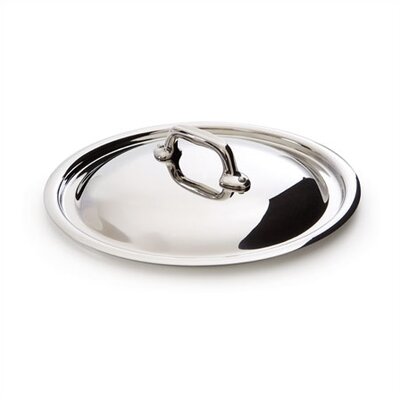
The low-down on stainless steel lids:
-Perferred for people who want a "polished" and professional "look" to their cookware.
-Stainless steel is more costly to produced, thus a higher price.
-Dishwasher safe. It is easier to keep clean around the edges versus glass lids.
-If you accidentally drop a metal lid, it will not break or shatter like glass lids, it will slightly dent.
-The downfall: You are unable to "see" what you are cooking, this is hard for beginner cooks or when you are cooking a new dish.

Overall: I recommend metal lids for more intermediate-advanced cooks or people who want a true professional "look" for their cookware.


Also, when you are purchasing glass lids, make sure they are 'TEMPERED."What is a tempering? Is is a process that includeds extreme heat and rapid cooling to make tempered glass 5x stronger than standard glass. Thus, temepered glass lids will not break once heat is invovled.
Do you see a small "air" pocket in your glass lid? That is a bad thing....a very bad thing. Why? It means the glass lid was not tempered properly, thus it could shatter or break once exposed to constant heat when cooking.


Be sure to check your manufactures warranty, and retail store returning policy, regarding lids before purchasing!

Happy Cooking,
Kimm

Monday, 6 August 2012

What SALT does to your baked good!

When I first started blogging, I wrote a post titled: "SALT- The most important ingredient!" Yes, I am a lover of anything "salty-sweet" or made with a flavored, coarse, unrefined sea salt. But, what EXACTLY does salt do to your chocolate chip cookies, chiffon cake, or lemon-blueberry muffins? Salt has many functions and actions in the baking and culinary field.

First off, salt naturally adds flavor to sweet and savory dishes. It is a necessary and key ingredient in the kitchen! Along, with black pepper, it is staple to have a salt jar right next to your cooking range.

Salt has many purposes in cooking, here are my top three reasons!

1) Enhance flavor!
No matter what you are cooking, it balances and enhances the dish/food you are cooking. Pre-package foods contain LOTS, AND LOTS of sodium due to the lack of natural flavor and to have a longer "shelf life" than non-packaged foods.

2) Strengthen gluten strands!
Salt naturally helps gluten strands become nice 'n' strong to create a solid structure for your baked good. This is key especially in French-type breads. Forgot your salt when you are baking bread? The dough will become very "slack" and "wet."

3) Give color!
Salt aids in browning. (Secret tip: I like to add a pinch of salt when I am making egg wash for my morning pasteries!) It gives crossiants, breads, and muffins a nice, golden color. Forgot your salt? Your sweet treats and bread will come out pale.

Salt's three main forms:

1) Kosher: A coarse salt, perfect for "every day" cooking. I like using kosher salt when I am brining, salting water for rice/potatoes, and roasting proteins.

2) Iodizied : A fine salt that I love using for baking anything sweet. Why? Since it is a fine grain, it tends to blend into the batter or dough perfectly. Since coarse salt, like kosher, have a larger diameter, it can leave tiny, "salty bites." Stick with a fine grain salt when baking...always!

3) Sea salt: Yes, salt from the sea. The "most pure" salt flavor you have! Go for "unrefined" sea salt and use it when "finishing" a dish. Example:  A few pinches on your grilled steak, seared salmon, in your homemade balsamic dressing, or quinoa, it adds flavor without adding a calories or fat. Many gourmet shops are now carrying flavored sea salts to cater to your homemade meals and tastes.

I have all three at home! Just need one? Go for kosher salt and add more to your collection in your future.

What is the most important tip about salt I can give you? NEVER forget it! Salt to cooking and baking, is like breathing: we need it. Avoid pre-packaged foods, which are drowned in sodium, and cooking your own veggies and meals with your favorite salt.

Here are my favorite salts to use when cooking and baking:
http://waldenlanegourmet.com/category/34-best-gourmet-salts.aspx
(The Alderwood Smoked Sea Salt is one of my faves!)

Happy Baking!
Kimm

\